

Where Should I Store My Will?
- May 6
- 4 min read
Writing a will is one of the most important steps you can take to protect your loved ones and ensure your wishes are honoured after you pass away. But once your will is complete, another critical question arises: where should I store my will? Storing your will safely ensures it can be easily found and executed when the time comes. This guide explores the best options for storing a will in the UK and why storing it with BPLS can offer added peace of mind.
Why Proper Storage of Your Will Matters
A will is legally valid once signed and witnessed, but it’s only useful if it can be located when needed. Improperly stored wills can lead to:
Lost or misplaced documents – making it difficult or impossible for executors to administer your estate.
Legal disputes – if multiple versions of your will are found, confusion and disputes among beneficiaries can arise.
Delays in probate – probate cannot begin without access to the correct will, which can slow down the distribution of assets.
For these reasons, choosing the right storage option is crucial.

Options for Storing Your Will
There are several ways to store your will securely. Each option has its benefits and considerations.
1. At Home
Some people choose to keep their will at home, often in a safe or locked drawer.
Pros:
Immediate access to your will at any time
No additional cost
Cons:
Risk of theft, fire, or loss
Family or executors may not know where to find it
If stored in a safety deposit box, access can be limited after death
Tips for home storage:
Keep the will in a fireproof and waterproof safe
Inform a trusted family member or your solicitor where it is
Avoid storing it in obvious places like drawers or filing cabinets
2. With BPLS
Many clients choose to store their will with BPLS, after we have drafted it. This ensures professional, secure, and legally compliant storage for your peace of mind.
Benefits of keeping your will with BPLS:
Safe and secure storage: Your will is kept in a professionally managed, fire- and theft-resistant environment.
Easy updates: If you need to amend your will in the future, we can ensure the latest version is stored correctly.
Legal guidance: Our team can advise on changes in legislation or your personal circumstances to keep your will valid.
Executor support: After your passing, we can guide your executors through the probate process and ensure your wishes are carried out accurately.
Peace of mind: Knowing your will is stored safely with a trusted law firm removes uncertainty for both you and your loved ones.
Considerations:
You must ensure your executors know where the will is kept.
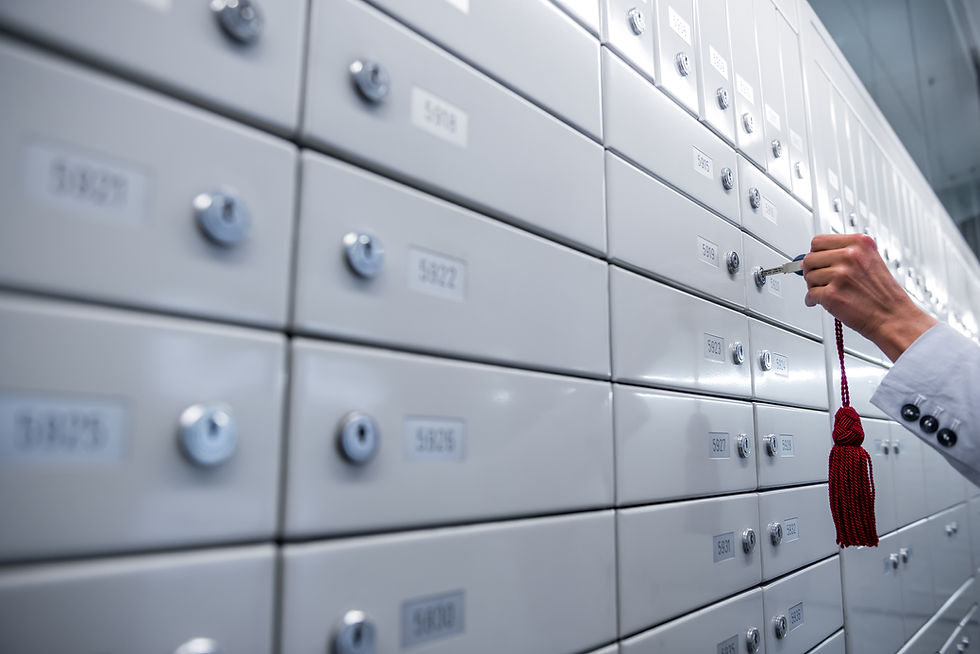
3. A Bank or Building Society Safe Deposit Box
Banks and building societies offer safe deposit boxes for storing valuable documents, including wills.
Pros:
High level of security
Fire- and theft-resistant
Cons:
Access is limited to you or someone authorised
Executors may need to follow bank procedures to access the box after your death
May incur rental fees
4. Will Storage Services
Specialist will storage companies offer secure storage for a small fee. Many are regulated and provide legal recognition for stored wills.
Pros:
Professional and highly secure storage
Some services offer digital registration so executors know the will exists
Often provides tracking and retrieval services
Cons:
Annual or one-off fees apply
You must ensure the service is reputable and regulated
5. The Probate Service
Some people choose to deposit their will with the Probate Service.
Pros:
There is a flat fee of £20.
Cons:
You can only take your will out whilst you're alive by submitting the correct form - a solicitor cannot do this for you if you decided to change your will.
Best Practices for Storing Your Will
Regardless of where you store your will, following these best practices ensures it can be found and executed without issue:
Inform your executors: Make sure the people responsible for administering your estate know exactly where your will is kept.
Keep it safe but accessible: Security is important, but executors must be able to access it after your death.
Avoid DIY methods that are unreliable: Don’t leave your will in a drawer, with friends, or in unsecured digital files.
Update your will and its location: Whenever you make changes, ensure the new version is stored safely and the old version is destroyed.
Consider multiple copies with caution: Some people keep a copy with the solicitor and one at home, but make sure only the original is legally binding.
Digital Wills and Storage
Currently, digital wills are not legally recognised in the UK. While technology continues to advance, only physical, signed, and witnessed documents are considered legally valid.
However, there is ongoing discussion about introducing digital wills in the near future. If this becomes law, it may allow securely stored electronic wills to be legally valid, which could offer convenience and easier access.
BPLS recommend keeping a physical signed copy as your primary will. Any digital copies should only be used as backups or reference documents, but they do not replace a legally binding will.
Final Thoughts
Where you store your will is just as important as writing it. A properly stored will ensures your estate is administered smoothly and reduces the risk of disputes among family members. Options include keeping it at home in a secure safe, in a bank safe deposit box, with specialist storage companies, or most securely, with BPLS.
Storing your will with BPLS provides security, professional guidance, and peace of mind that your wishes will be honoured and easily accessible to your executors.
Take Action with BPLS
If you’re unsure where to store your will or want to ensure it is legally valid and secure, the expert solicitors at BPLS can help. From drafting to professional storage advice, we provide clear guidance to protect your estate and give you peace of mind. Contact the team today to discuss secure will storage and make sure your wishes are properly safeguarded.


Comments